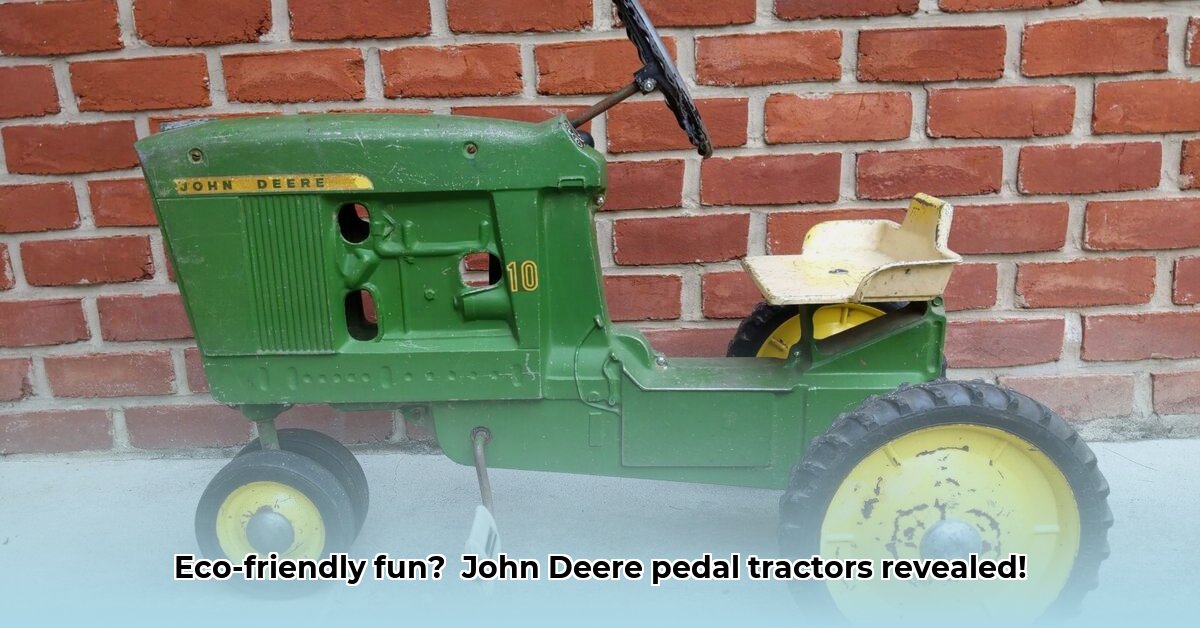
John Deere pedal tractors, iconic childhood toys like the 4440 and Farmtrac models, offer hours of imaginative play. But beyond the fun, lies a crucial question: are these beloved toys truly sustainable? This article delves into the environmental impact of these tractors, examining their lifecycle from material sourcing to end-of-life management. We'll assess their sustainability, exploring opportunities for improvement across the supply chain and empowering consumers to make informed choices. For comparison, see other classic pedal tractors like Western Flyer.
A Closer Look at John Deere Pedal Tractors: Durability vs. Sustainability
John Deere pedal tractors are often cherished family heirlooms, passed down through generations. Their robust metal construction suggests longevity, exceeding the lifespan of many plastic toys. This durability is a positive step towards sustainability. However, durability alone doesn't guarantee environmental responsibility. A comprehensive sustainability assessment requires examining the entire product lifecycle. Do the benefits of extended lifespan outweigh the environmental costs of manufacturing and eventual disposal? This question lies at the heart of our analysis.
Sustainability Assessment: From Farm to Toy Box
To assess the sustainability of these tractors, we need to analyze each stage of their life cycle. This analysis relies on available information and reasonable inferences, given the lack of complete transparency from the manufacturer.
Material Sourcing: Tracing the Origins
The tractors primarily consist of metal and plastic components. The types of metal and plastic used, and the percentage of recycled content (if any), remain largely unstated. This lack of transparency is a significant concern. Sustainable sourcing practices, including responsible metal mining and the use of recycled plastics, are crucial for minimizing environmental impact. Without this information, it's difficult to assess this crucial aspect of the tractors' sustainability.
Manufacturing Processes: Energy Consumption and Waste
The manufacturing process inevitably consumes energy and generates waste. The specific energy sources utilized and the efficiency of the manufacturing processes directly impact the carbon footprint of these tractors. Information regarding the use of renewable energy sources, waste reduction strategies, and overall carbon emissions from the manufacturing process is currently unavailable, hindering a complete assessment. Is the manufacturing process optimized for efficiency and minimal environmental impact? This question needs further investigation.
Packaging: Minimizing Waste
The packaging material's type and quantity contribute to overall waste generation. The use of recyclable or biodegradable materials, and the minimization of packaging volume, are crucial elements of sustainability. While we lack specific data on John Deere's packaging choices, reducing packaging is a clear pathway towards improved environmental responsibility. Is John Deere committed to minimizing packaging and maximizing recyclability? Transparency on these elements is paramount.
End-of-Life Management: Recycling and Disposal
The end-of-life phase is critical. Are the tractors designed for easy disassembly and recycling of their metal and plastic components? Does John Deere offer a take-back program or promote repair and refurbishment options? The absence of a clear recycling plan raises concerns about the potential for these durable toys to end up in landfills, negating the benefits of their extended lifespan. How can we extend the lifespan and improve the end-of-life management of these tractors? This is a key challenge.
Stakeholder Analysis: A Shared Responsibility
The sustainability of John Deere pedal tractors is a shared responsibility, involving multiple stakeholders.
John Deere: The manufacturer has the primary responsibility for transparently disclosing material sourcing, manufacturing processes, and end-of-life management plans. Proactive steps towards incorporating recycled materials, optimizing manufacturing efficiency, and establishing a take-back program are essential.
Retailers: Retailers play a key role in educating consumers and promoting sustainably produced toys. Providing clear information about the environmental impact of products empowers consumers to make informed choices.
Consumers: Consumers drive demand. By choosing durable, responsibly sourced toys and supporting companies committed to sustainable practices, consumers can influence the market and incentivize positive change.
Recommendations: Toward a Greener Future
To enhance the sustainability of John Deere pedal tractors and similar products:
John Deere: Conduct and publicly release a detailed life-cycle assessment of the tractors. Increase transparency regarding materials sourcing and manufacturing processes by clearly labeling the percentage of recycled content, if any. Develop a robust take-back program for end-of-life tractors to facilitate recycling and minimize landfill waste.
Retailers: Actively promote and stock sustainably produced toys. Provide customers with clear, concise information about the environmental impact of each toy.
Consumers: Choose durable toys that can be passed down or easily recycled. Prioritize purchasing toys from companies with verifiable commitments to sustainability.
Conclusion: A Call for Transparency and Action
While the durable metal construction of John Deere pedal tractors offers some sustainability advantages, a complete assessment reveals a significant lack of transparency. Until John Deere and other stakeholders prioritize comprehensive life-cycle assessments, transparent labeling, and responsible end-of-life management, the true sustainability of these beloved toys remains questionable. A collective effort from all stakeholders is needed to ensure these childhood classics are as environmentally friendly as they are fun. Demand transparency. Demand sustainability.